Etihad Airways is stepping up its expansion strategy by announcing its plans to acquire more wide-body aircraft. This strategic decision marks a new phase in the development of the United Arab Emirates’ national airline.
The Essentials
- Etihad Airways has announced plans to substantially expand its fleet of wide-body aircraft to support its growth.
- This strategy is part of a broader trend of recovery and expansion in the air transport sector in the Gulf region.
- The Emirati airline is seeking to strengthen its position on international long-haul routes.
- This decision reflects Etihad’s confidence in the future of the airline industry and its own growth trajectory.
A renewed commitment to long-haul flights
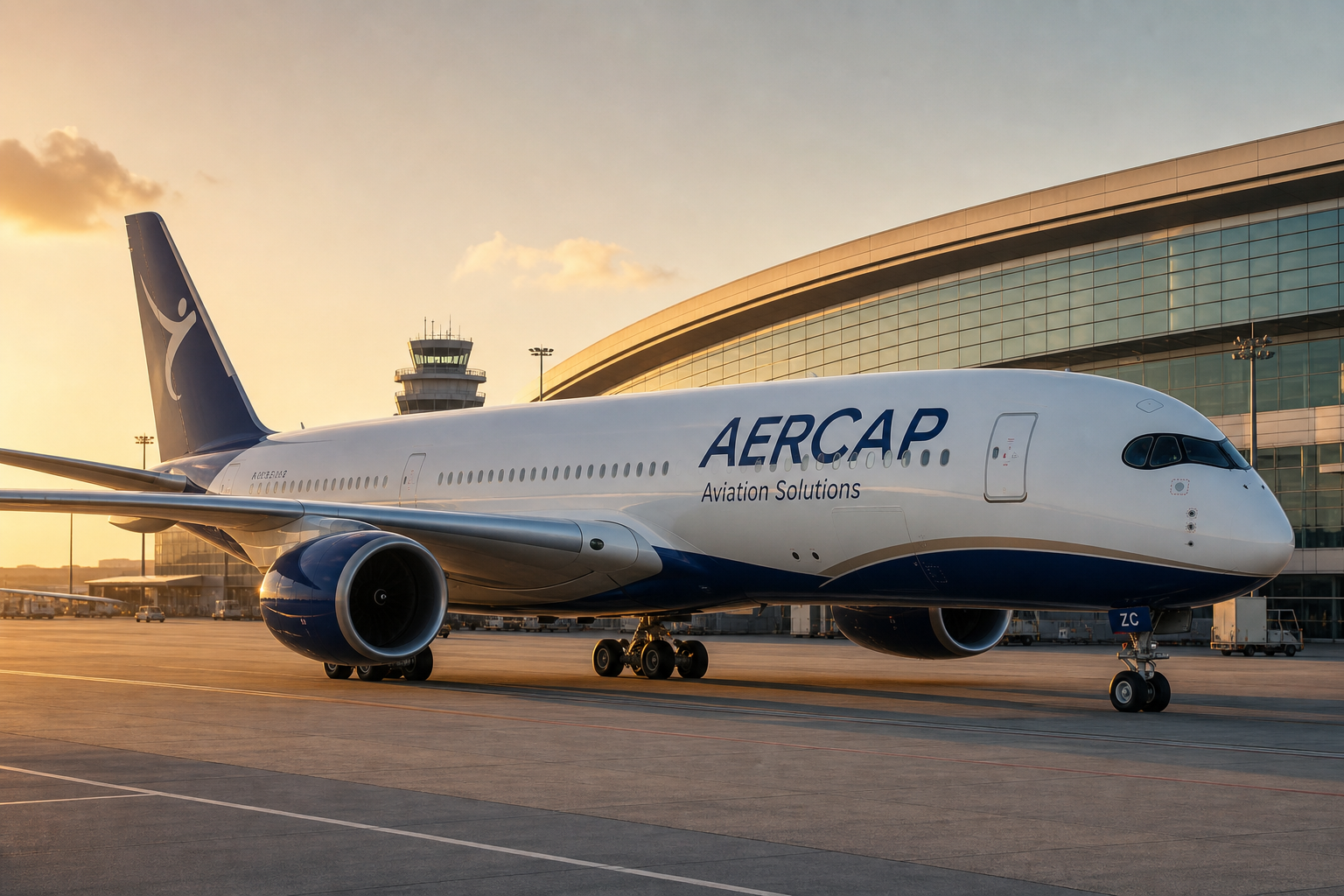
Etihad Airways is demonstrating remarkable confidence in the future of international air travel by clearly signaling its intention to expand its fleet of wide-body aircraft. This strategic move comes at a time when the Abu Dhabi-based airline is continuing its transformation and consolidation in the global aviation market. Wide-body aircraft form the backbone of major international airlines’ long-haul operations, enabling the transport of large numbers of passengers over long distances with optimal economic efficiency. For Etihad, this drive for expansion reflects a clear vision of its future positioning in the global aviation landscape. The Emirati airline, which has undergone years of restructuring, now appears ready to take a new step in its development by investing heavily in aircraft capable of serving the most distant destinations in its network.
A favorable environment in the Gulf region
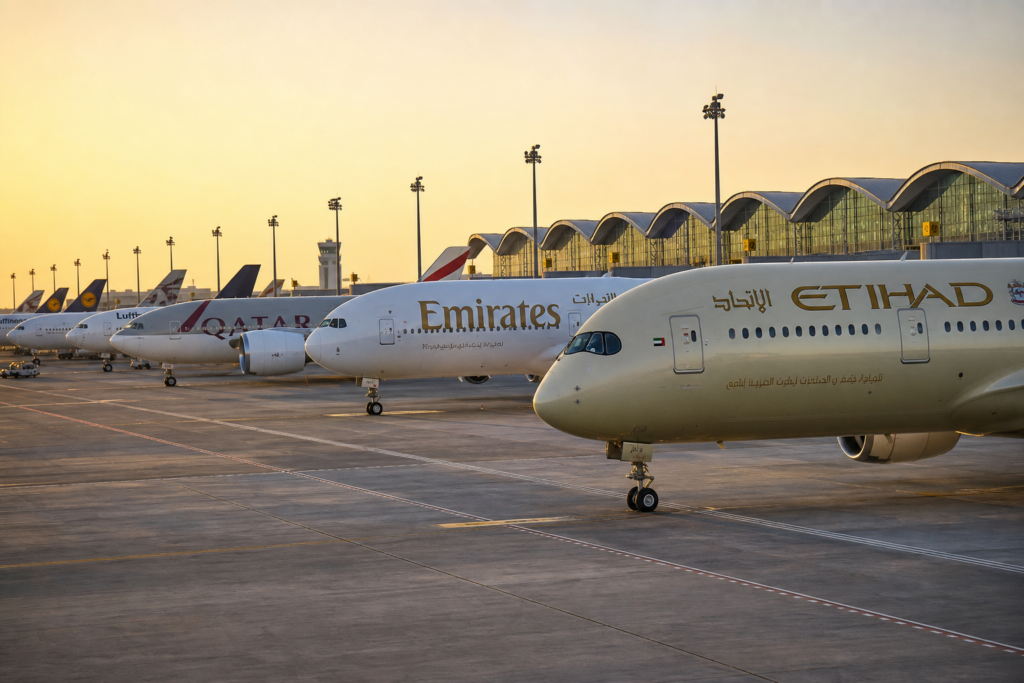
Etihad’s decision comes at a particularly dynamic time for Gulf airlines. The region is experiencing sustained growth in air traffic, driven by the strategic geographic location of the UAE’s hubs, which serve as bridges between Europe, Asia, Africa, and Oceania. Abu Dhabi, Etihad’s base of operations, benefits from modern airport infrastructure and continues to expand its capacity. The airline can thus rely on a favorable ecosystem to deploy an expanded fleet of wide-body aircraft. This expansion also comes amid increased competition with other major carriers in the region, notably Emirates in Dubai and Qatar Airways in Doha. These three carriers are engaged in a fierce battle to capture passenger traffic transiting through the Gulf, driving each to invest in modern fleets and high-quality services.
Operational and commercial implications
The acquisition of additional wide-body aircraft will have a significant impact on Etihad Airways’ operations. These aircraft will enable the airline to increase capacity on existing routes while potentially opening new long-haul destinations. The growth strategy could include increasing frequencies to key markets such as Europe, North America, Asia, and Australia—regions where demand for international travel remains strong. From a commercial perspective, having an expanded fleet of wide-body aircraft gives Etihad greater flexibility to adapt its offerings to seasonal fluctuations in demand and market changes. High-capacity aircraft also help optimize operating costs per available seat, a crucial factor in an industry where margins can be tight. Furthermore, operating modern aircraft helps improve energy efficiency and reduce the airline’s environmental footprint, an aspect that is increasingly important to passengers and regulators.
A strong signal for the aviation industry
Etihad’s appetite for more wide-body aircraft is a positive sign for the entire aviation industry. Major manufacturers such as Boeing and Airbus are closely monitoring the intentions of the major Gulf airlines, which are key customers for their long-haul aircraft. A substantial order from Etihad could have significant implications for the manufacturers’ order books and potentially influence production schedules. This announcement comes at a time when the wide-body market is experiencing mixed trends, with, on the one hand, the discontinuation of production of certain iconic models like the A380, and on the other, the continued success of aircraft families such as the Boeing 787 Dreamliner and the Airbus A350. Etihad’s choice regarding the types of aircraft to acquire will therefore be closely scrutinized by industry observers. Beyond purely commercial considerations, this expansion strategy reflects the confidence of Etihad’s leadership in the sustainable recovery of international air traffic following the recent disruptions the sector has experienced.
Frequently Asked Questions
Why does Etihad want to expand its fleet of wide-body aircraft?
Etihad Airways is seeking to strengthen its position in the international air travel market by increasing its capacity on long-haul routes. Wide-body aircraft allow for the transport of more passengers over long distances with optimal economic efficiency, which is essential for an airline based in a hub like Abu Dhabi that serves as a connecting point between several continents.
What are the advantages of wide-body aircraft for an airline?
Wide-body aircraft offer several key advantages: high passenger capacity, which helps optimize costs per seat; long range, enabling nonstop service to the most distant destinations; and generally greater fuel efficiency per passenger carried. These aircraft are particularly well-suited for high-demand routes and international hubs such as Abu Dhabi.
How does this strategy position Etihad relative to its regional competitors?
By expanding its fleet of wide-body aircraft, Etihad is strengthening its ability to compete with Emirates and Qatar Airways, the other two major Gulf carriers. This expansion enables the airline to better compete for passengers traveling through the region and to consolidate Abu Dhabi’s position as a major international aviation hub in competition with Dubai and Doha.
Conclusion
Etihad Airways’ stated ambition to significantly expand its fleet of wide-body aircraft marks a strategic turning point for the Emirati airline. This decision reflects not only its leadership’s confidence in the future of international air travel, but also Abu Dhabi’s commitment to consolidating its position among the world’s major aviation hubs. Against a backdrop of intense competition with other Gulf carriers and in the face of the industry’s environmental and economic challenges, this expansion represents a bold bet on the future growth of air traffic. The coming months will reveal the specific details of this acquisition strategy and its concrete implications for Etihad Airways’ network and operations.
Source: Le Journal de l’Aviation

Président & Dirigeant Responsable | Hexagone Aviation Group | Ingénieur Génie Civil | Gouvernance et développement d’organisations